GLP-1 Vision Loss Lawsuits: What To Know If Ozempic Or Wegovy May Have Harmed Your Eyesight
By the Drazin & Warshaw, P.C. Dangerous Drug and Defective Product Injury Team
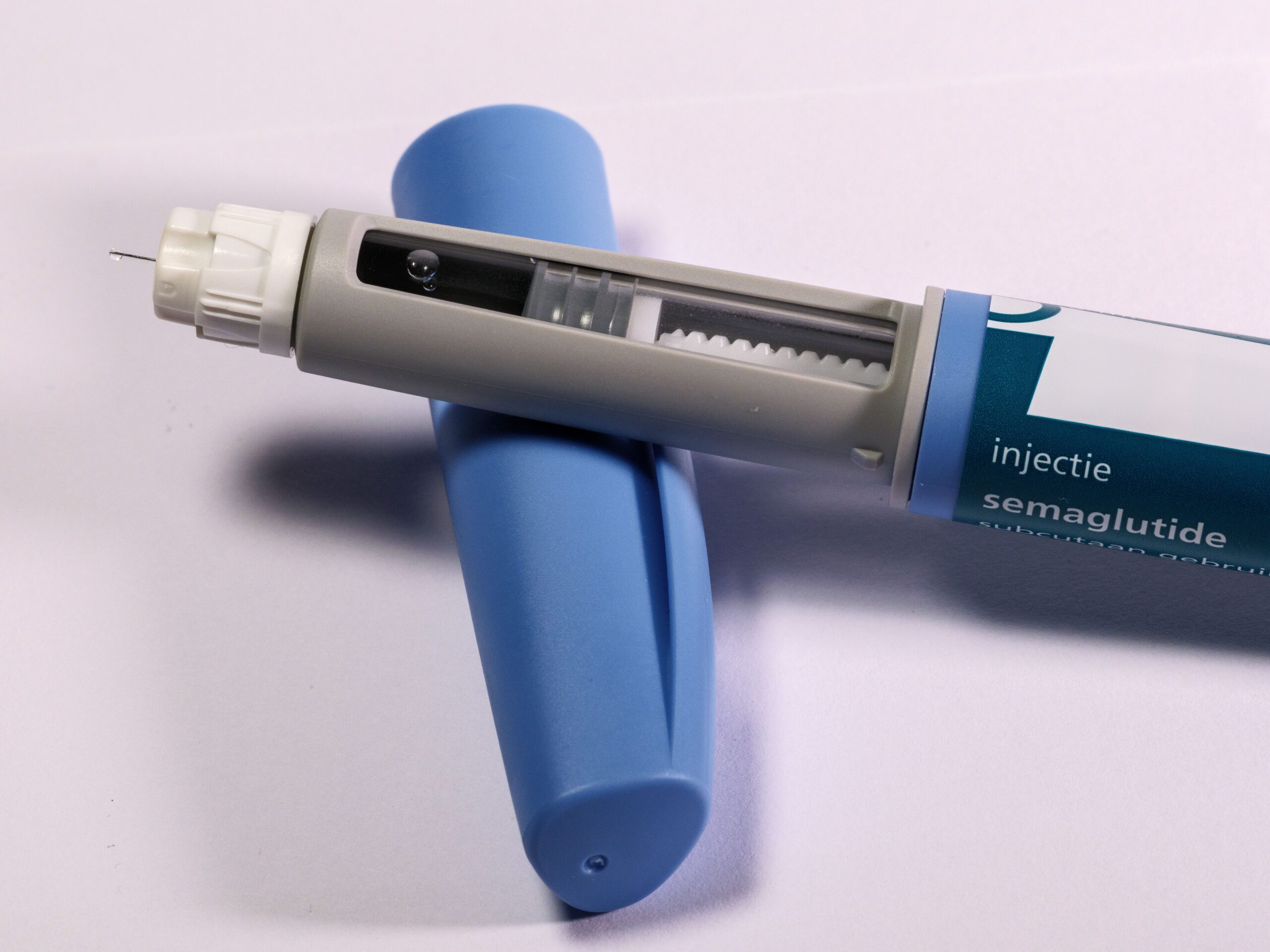
If you started a GLP-1 medication to manage diabetes or lose weight and then noticed sudden changes in one eye, you are not imagining it, and you are not alone. Hundreds of people have now filed a GLP-1 vision loss lawsuit after developing a serious eye condition, and many of them are asking the same painful question you may be asking right now. Did the drug I trusted quietly put my eyesight at risk?
It is a frightening place to be, especially when the vision does not come back. National coverage, including a recent NBC News report, has highlighted a wave of claims filed against some GLP-1 makers over sudden vision loss. If this has happened to you or someone you love in New Jersey, you deserve clear answers and a team that will look into it carefully.
You do not have to sort through this by yourself. Call Drazin & Warshaw at 732-333-8141 or reach out through our online contact form to talk with our team about what happened and what your options may be.
GLP-1 Vision Loss Lawsuits: What Is NAION And Why Are Patients Suing?
The eye condition at the center of these cases is called NAION, which stands for non-arteritic anterior ischemic optic neuropathy. It happens when blood flow to the optic nerve is cut off, which damages the nerve that carries images from your eye to your brain.
NAION usually causes sudden, painless vision loss in one eye. There is no cure, and vision loss is often permanent. Because it can appear so quickly and without warning, many patients had no idea anything was wrong until the damage was already done.
People taking Ozempic, Wegovy, and similar drugs have filed claims arguing that the manufacturers did not warn them about this risk. Common symptoms that prompted these lawsuits include:
- Sudden blurriness: vision that changes quickly in one eye over hours or days
- Dark shadows: a curtain, gray patch, or blind spot in part of the visual field
- Light sensitivity: new discomfort or difficulty adjusting to normal light
- Lasting loss: vision that does not return after the initial episode
If any of these sound familiar, it is worth documenting when the symptoms started and which medication you were taking at the time. That timeline can matter a great deal later.
Ozempic And Wegovy Eye Injuries: What Does The Research Actually Say?
The science here is still developing, and it is fair to say the picture is mixed. That honesty matters, because you deserve real information rather than hype.
A 2024 study published in JAMA Ophthalmology found that patients with type 2 diabetes taking semaglutide, the active ingredient in Ozempic and Wegovy, were more than four times as likely to be diagnosed with NAION. For people taking it for weight loss, the study reported more than seven times the risk. The authors were careful to call these findings significant but tentative, since the study did not prove the drug causes the condition.
Larger studies since then have pointed to a smaller but still real risk. Research following more than 170,000 patients found roughly two to two and a half times the risk over a few years, and European regulators reached a similar conclusion of about double the risk. Several researchers have stressed that NAION remains rare overall. In June 2025, the European Medicines Agency added NAION as a very rare side effect to semaglutide labeling, estimating it may affect up to 1 in 10,000 users, and the World Health Organization noted the medications may rarely cause the condition.
The takeaway is not that these drugs are automatically dangerous for everyone. It is that a real question exists about whether patients were given enough warning to make an informed choice, and that is exactly what these lawsuits are testing.
GLP-1 Lawsuit Status: Where Do These Vision Loss Claims Stand Right Now?
These cases are moving quickly. Thousands of lawsuits have now been filed in state and federal courts over serious complications tied to GLP-1 drugs, covering both gastrointestinal injuries and vision loss, with at least 4,000 complaints consolidated into larger federal and state litigation. In December 2025, a federal panel grouped the vision loss claims into a multidistrict litigation before a single judge, a structure that lets similar cases move forward together on shared issues.
NAION has become the focus of many of the most recently filed cases, and New Jersey sits close to the center of them. Nearly 100 lawsuits specifically over the eye condition have been filed in New Jersey since 2025, with another wave coming out of Philadelphia. That makes New Jersey one of the more active places in the country for these claims.
Part of the reason is local. Novo Nordisk, the maker of Ozempic and Wegovy, runs its United States operations out of New Jersey, which gives the state a real connection to one of the companies named in these suits. For patients here, that means these are not distant, out-of-state matters. A New Jersey resident who lost vision after taking a GLP-1 drug may be able to bring a claim in a New Jersey courtroom, and a local attorney can explain how the process works and whether your situation fits.
The core allegation across these cases is a failure to warn. Most of the lawsuits claim that permanent vision loss resulted from GLP-1 medications including Ozempic, Wegovy, Mounjaro, Zepbound, and Trulicity, and that the drugmakers knew or should have known about the increased risk of NAION but failed to communicate it to patients.
Sudden Vision Loss After A GLP-1 Drug: What Should You Do Next?
If you have experienced vision changes while taking one of these medications, a few practical steps can protect both your health and any future claim.
- See a doctor: get evaluated by an ophthalmologist promptly so any eye condition is diagnosed and recorded
- Keep your records: save prescription histories, pharmacy printouts, and notes on when symptoms began
- Do not stop abruptly: talk with your prescribing physician before changing any medication
- Write it down: note the drug name, dosage, and the dates your vision changed while it is fresh
Gathering this information early makes it far easier for an attorney to review your situation and tell you honestly whether you may have a case. There is no downside to asking questions before any filing deadline passes.
Dangerous Drug Claims In New Jersey: How Does A Failure To Warn Case Work?
New Jersey law allows people who are injured by a defective or unreasonably dangerous product, including prescription drugs, to seek compensation. One of the main theories in medication cases is failure to warn, which focuses on whether the company gave patients and doctors adequate notice of a known or knowable risk.
In plain terms, a drug can be helpful for many people and still be the basis for a claim if the warning label left out something important. The question is not only whether the medicine works. It is whether you were given the information you needed to make an informed decision about your own body.
Compensation in these cases can include medical costs, lost income, and the human toll of living with permanent vision loss. Every situation is different, and no attorney can promise a specific result. What a careful review can do is tell you where you stand and what a claim would realistically involve.
GLP-1 Injury Lawyers In New Jersey: Where Can Monmouth And Ocean County Patients Turn?
Drazin & Warshaw has represented injured people across New Jersey for generations, with offices in Red Bank, Hazlet, Brick, and Westfield. We regularly help clients throughout Monmouth County, Ocean County, Middlesex County, and Union County who are dealing with the fallout of a serious injury and are not sure where to start.
Dangerous drug and defective product cases are complex, and going up against large pharmaceutical companies takes resources and preparation. Our team is ready to review what happened, explain the process in language that makes sense, and stand with you through it.
Frequently Asked Questions About GLP-1 Vision Loss Lawsuits
Can I file a GLP-1 vision loss lawsuit if I took Ozempic or Wegovy in New Jersey?
You may be able to, especially if you were diagnosed with NAION or sudden vision loss while taking a GLP-1 medication. A New Jersey injury attorney can review your medical history and prescription records to see whether a claim makes sense in your situation.
What is NAION and how is it linked to GLP-1 drugs?
NAION is a condition that damages the optic nerve and causes sudden, often permanent vision loss. Several studies have reported an increased risk of NAION among some patients taking semaglutide, the active ingredient in Ozempic and Wegovy, though research is still ongoing.
How much does it cost to talk to a lawyer about an Ozempic vision loss claim?
Most personal injury firms, including ours, offer a free initial consultation and handle these cases on a contingency basis, which means you generally do not pay attorney fees unless there is a recovery. You can call us at 732-333-8141 to confirm the details for your case.
Talk With A New Jersey Dangerous Drug Attorney About Your Vision Loss
Losing your eyesight is life-altering, and finding out a medication may have played a role can leave you angry, confused, and worried about the future. You do not have to carry those questions alone, and you do not have to figure out the legal side on your own.
If you or a loved one developed sudden vision loss after taking Ozempic, Wegovy, or another GLP-1 drug, reach out to Drazin & Warshaw. Call us today at 732-333-8141 or contact us through our online contact form to schedule a consultation and learn where you stand.
Disclaimer: Never stop a prescribed medication without speaking to your doctor first. This blog addresses legal questions, not medical advice, and only your physician can guide decisions about your treatment.
This blog is intended for informational purposes only and does not establish an attorney-client relationship. It should not be considered as legal advice. For personalized legal assistance, please consult our team directly.